
Menu
Same-Day Service Available!
Your couch is one of the most used pieces of furniture in your home. It may be where the family gathers after dinner, where children watch movies, where pets take afternoon naps, or where guests settle in during a visit. All of that everyday use makes upholstered furniture comfortable and familiar, but it also gives dirt and odors plenty of opportunities to build up.
A couch can look perfectly fine while beginning to smell less fresh. Fabric fibers can collect dust, pet hair, crumbs, body oils, spills, and other everyday residue. Some of this material sits on the surface, while smaller particles can work farther into the upholstery.
For families in Lexington, SC, 29073, a few simple habits can help keep furniture fresher between professional visits. Vacuuming cushions, treating spills promptly, allowing fresh air to move through the room, and washing removable covers when the manufacturer allows it can all make a difference.
Professional upholstery cleaning becomes helpful when routine care no longer gets the results you want. Safe-Dry® has more than 30 years of experience helping families maintain cleaner homes, and upholstery care remains an important part of creating a comfortable living space.
A recent Safe-Dry® cleaning tip focused on the same everyday habits homeowners can use to help their couches smell fresh longer.
The most useful approach is not waiting for the couch to become heavily stained or strongly odorous. Regular care can slow buildup, while professional upholstery cleaning can provide a deeper refresh when everyday methods reach their limit.
Upholstery is made to be comfortable. Soft fabric and cushioning create the perfect place to sit and relax. Unfortunately, those same materials can also hold onto everyday household residue.
Think about everything that touches the couch during a normal week. Family members sit down after work or school. Children climb onto the cushions. Pets may curl up in a favorite corner. Snacks are eaten during movies. Blankets and pillows move across the furniture.
Small amounts of body oil and perspiration can transfer to fabric over time. Pet hair and dander may settle between cushions. Food crumbs can slip into seams. Drinks may leave small splashes that dry before anyone notices.
Airborne dust also settles onto upholstered surfaces.
None of these things necessarily creates an immediate odor. The issue develops gradually as materials accumulate within the fabric.
A homeowner may become accustomed to the smell because it changes slowly. Guests sometimes notice it sooner because they are entering the room with a fresh perspective.
Regular upholstery cleaning and good household maintenance can help prevent this gradual buildup from becoming more noticeable.
Appearance and freshness do not always change at the same speed.
A dark-colored sofa may hide visible soil very well. Patterned fabric can also make stains harder to notice. Even a light-colored couch may look fairly clean from across the room while containing dust and residue deeper in the fibers.
Odors can remain after the visible spill is gone.
A drink may have been blotted immediately, leaving no obvious stain. However, a small amount of moisture or residue could still have reached the padding beneath the fabric.
Pet-related odors can behave similarly.
A dog that regularly naps on the same cushion may leave oils, hair, and odor behind without creating one clear spot.
Freshness problems can also come from the entire room rather than one accident. Cooking smells, smoke, humidity, and normal household activity can affect soft furnishings over time.
This is why routine furniture care should focus on both appearance and smell.
If the couch starts smelling stale even after vacuuming and airing out the room, deeper upholstery cleaning may be worth considering.
One of the easiest ways to care for upholstered furniture is regular vacuuming.
Dust and loose particles are easier to remove before they become pressed deeper into the fabric. Vacuuming also helps collect crumbs, pet hair, and dry debris before those materials begin contributing to odor or dullness.
The U.S. Environmental Protection Agency recommends routinely vacuuming carpets and fabric-covered furniture as part of reducing indoor dust and biological contaminants.
For homeowners, the important part is consistency.
A sofa that receives heavy family use may benefit from weekly vacuuming. A formal chair that is rarely used may need attention much less often.
Remove loose cushions when possible and vacuum underneath them. Use an upholstery attachment rather than forcing a heavy floor vacuum head across delicate fabric.
Pay special attention to seams.
Crumbs, pet hair, and dust often collect around the edges because these areas are easy to miss during quick cleaning.
Vacuuming cannot replace professional upholstery cleaning, but it can slow the buildup that makes deeper cleaning necessary.

Cushions often receive more direct contact than any other part of a sofa.
People sit in the same places every day. Hands rest on cushion edges. Pets choose favorite corners. Children may climb across the furniture instead of sitting in one place.
Because of this, some cushions can become dirty faster than others.
Regularly removing loose cushions gives homeowners a chance to clean around them and check their condition.
Vacuum the top, sides, and seams when the care instructions allow it. Look underneath as well.
Rotating cushions can help distribute everyday use more evenly.
If cushions are reversible, flipping them periodically can prevent one side from carrying all of the wear.
Rotation will not prevent dirt or odors, but it can help avoid one section becoming noticeably more worn while another still looks new.
A little attention during normal vacuuming can keep the sofa looking more balanced.
Sometimes a room simply needs more air movement.
Soft furnishings can pick up cooking smells and other household odors. Opening windows when weather and outdoor conditions are appropriate can help move stale indoor air out of the room.
Running ceiling fans or using normal household ventilation can also improve circulation.
Fresh air does not clean dirty upholstery.
However, it can help reduce temporary stuffiness and prevent ordinary room odors from feeling trapped around the furniture.
Homeowners should consider outdoor conditions before opening windows. High pollen days may not be ideal for households with allergies. Outdoor humidity can also be a factor.
Airflow works best as part of a larger routine.
Vacuuming, cleaning spills promptly, washing suitable covers, and professional upholstery cleaning all address the furniture more directly.
Pets are part of the family in many Lexington homes.
They are also very good at finding the most comfortable spot on the couch.
A pet that regularly sleeps on upholstered furniture can leave behind hair, dander, body oils, and outdoor soil.
Loose hair may be easy to see on the surface. Other material can settle deeper into the furniture.
Start with regular vacuuming.
Use an attachment designed for upholstery and work slowly across the fabric.
Remove cushions when possible and clean underneath them.
Pet blankets can also help protect favorite sleeping spots. Wash those blankets regularly according to their care instructions.
Pet odor becomes harder to manage when an accident occurs.
Urine or other liquid can move through the upholstery fabric and into the cushioning underneath. Surface cleaning may improve the appearance without fully addressing the deeper source.
Professional odor elimination or stain removal may be needed when a smell keeps returning.
Avoid trying to cover persistent pet odors with heavy fragrances. The couch may smell different for a few hours without becoming cleaner.
Family rooms often become unofficial dining rooms.
Children bring snacks to the couch. Adults enjoy coffee while watching television. Movie nights come with popcorn, drinks, and treats.
Small spills are almost inevitable.
The best response is usually quick and calm.
Blot fresh liquid with a clean absorbent cloth rather than rubbing aggressively. Rubbing can spread the spill and push it deeper into the fabric.
Avoid pouring large amounts of water onto the cushion.
More moisture can move the spill farther into the padding.
Check the furniture care label before using any cleaning product. Upholstery fabrics can respond differently to moisture and cleaning solutions.
A product that works well on one couch may leave discoloration or texture changes on another.
If the spill is large, oily, heavily colored, or difficult to identify, professional upholstery cleaning may be safer than experimenting with several household products.
Furniture manufacturers often include a care label beneath the cushions or furniture frame.
This information can be extremely useful.
The label may include a cleaning code that indicates which types of products or methods are suitable for the fabric.
Ignoring these instructions can create problems.
Some upholstery tolerates water-based cleaning well. Other materials may require different treatment.
Certain fabrics can experience color changes, water marks, texture differences, or shrinkage when cleaned incorrectly.
Homeowners should not assume that every fabric sofa can be cleaned the same way.
Professional upholstery cleaning begins with identifying the material and understanding its condition.
Safe-Dry® of Columbia, which serves Lexington, describes its upholstery process as beginning with inspection and fabric identification before cleaning.
Homeowners in Lexington can learn more about the local service through Safe-Dry® upholstery cleaning services.
Removable cushion covers can make furniture maintenance easier, but removable does not always mean machine washable.
A zipper may simply allow the manufacturer or upholsterer to install the cushion.
Always check the care instructions before putting a cover into the washing machine.
Washing the wrong fabric can cause shrinking, fading, wrinkling, or changes in texture.
A cover that shrinks even slightly may become difficult to reinstall over the cushion.
If the manufacturer specifically allows machine washing, follow the recommended water temperature, cycle, and drying instructions.
Avoid guessing.
Professional upholstery cleaning is the better choice when covers cannot be safely removed or when the care instructions are unclear.
Not all upholstery buildup comes from visible dirt.
Everyday contact can gradually transfer natural body oils to the fabric.
Headrests, armrests, and favorite seating positions often show this first.
The fabric may begin looking darker or slightly shiny.
This change can happen even in homes where nobody eats on the couch and pets are kept off the furniture.
Hands touch armrests.
Hair rests against the back cushion.
Bare skin may contact the upholstery during warm weather.
Over time, these small transfers can affect the appearance and freshness of the fabric.
Routine vacuuming cannot remove oily residue in the same way it removes dry particles.
Professional upholstery cleaning can provide deeper treatment when fabric begins looking dull from normal use.
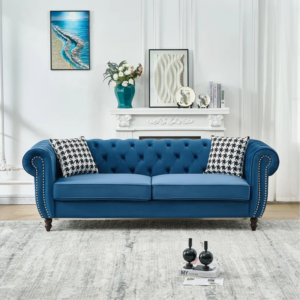
Homeowners sometimes judge the condition of a sofa by looking at the center cushions.
The armrests may tell a different story.
Hands and arms make repeated contact with the same small areas.
Children may sit or lean on them. Pets may rest their heads there. Family members sometimes place phones, snacks, or other items on the arms.
This concentrated activity means the armrests can become dirty faster than the larger seating areas.
Look at them in natural light.
A difference in color or texture may become easier to see.
Professional cleaning can give these high-contact areas more attention while treating the sofa as a complete piece of furniture.
The couch itself is not always the only source of an unpleasant smell.
Throw pillows and blankets can collect many of the same things as upholstery.
Pet hair, body oils, food crumbs, and dust can build up on these items.
Homeowners may clean the couch while leaving the accessories untouched.
A stale blanket can quickly make freshly cleaned furniture smell less fresh.
Check care labels and wash suitable removable pillow covers and blankets regularly.
Some decorative pillows may need different care.
Clean accessories also make it easier to tell whether an odor is coming from the furniture itself or from something sitting on top of it.
When upholstery starts smelling stale, fragrance sprays can seem like the easiest answer.
A few sprays may temporarily make the room smell more pleasant.
However, fragrance does not necessarily remove the source of the odor.
If dirt, food residue, pet material, or body oils are still in the fabric, the smell can return once the fragrance fades.
Heavy use of sprays can also add more product to the upholstery.
A better approach is to identify why the furniture smells.
Vacuum first.
Wash removable accessories.
Improve airflow.
Check for spills or pet accidents.
If the odor remains, professional upholstery cleaning may be the next practical step.
The goal should be fresh furniture, not furniture covered with enough fragrance to hide the problem.
Homeowners sometimes use more cleaning solution when the first application does not work.
This can lead to residue.
A large amount of product may become difficult to remove from the upholstery.
The fabric might feel stiff or sticky after drying.
Residue can also attract more dust and soil.
Applying several different products creates even more uncertainty.
One cleaner may react with another.
Colors can change.
Water rings may develop.
The stain itself can spread.
Follow manufacturer directions and use the smallest appropriate amount.
Stop when a spot is not responding.
Professional upholstery cleaning may be safer than continuing to add products to the same area.
Couch maintenance does not need to become a long weekend project.
A few minutes each week can help.
Start by taking blankets, pillows, toys, and other items off the sofa.
This gives you access to the entire surface.
Shake out or clean washable blankets according to their care instructions.
Check beneath decorative pillows for crumbs or pet hair.
Removing everything also makes it easier to notice stains that may have been hidden.
Use the upholstery attachment on your vacuum.
Move slowly across each cushion.
Pay attention to seams and edges.
If cushions are removable, take them off and vacuum the areas underneath.
Dry debris is easier to remove before it becomes pressed deeper into the fabric.
Rotate loose cushions when their shape and design allow.
Flip reversible cushions.
This can help distribute regular wear.
One family member may always sit in the same place, which causes a favorite cushion to receive much more use than the others.
Rotation helps share that activity across the sofa.
Look closely at the fabric.
Fresh spots are usually easier to address than old stains.
Blot minor spills according to the furniture manufacturer's care recommendations.
Avoid soaking the fabric.
When the correct cleaning method is unclear, leave the spot for a professional rather than risking permanent damage.
Let fresh air circulate when outdoor conditions are suitable.
Use normal home ventilation or fans as needed.
This will not replace cleaning, but it can help prevent temporary room odors from feeling trapped around soft furnishings.
Upholstered furniture is one of several surfaces where household dust can collect.
Carpet, area rugs, mattresses, curtains, and fabric furniture can all hold particles.
The EPA notes that dust mites, pollen, pet allergens, and other biological contaminants can be found indoors and recommends routine vacuuming of carpets and fabric-covered furniture.
This does not mean upholstery cleaning can prevent every allergy problem or transform indoor air on its own.
Indoor comfort depends on many factors.
Ventilation, filtration, moisture management, regular cleaning, and source control all play roles.
Furniture care is simply one useful part of a broader clean-home routine.
Homeowners who want more information can review EPA guidance on biological contaminants and indoor air quality.
Not every upholstered item in a house needs cleaning at the same time.
The family room couch may be used for hours every day.
A guest-room chair might be used only a few times each year.
Dining chairs may collect food residue.
An upholstered headboard can gather dust but little foot-related soil.
Think about use rather than following one rigid schedule for every item.
The furniture receiving the most contact will usually show changes first.
Couches and sectionals often fall into this category.
Look at the places where people sit most often.
Compare those areas with less-used sections.
Changes in color, texture, smell, or overall freshness can help homeowners decide when professional upholstery cleaning makes sense.
A family couch rarely functions only as seating when children are around.
It can become a play space, reading spot, fort foundation, snack station, and movie-night headquarters.
Crumbs find their way between cushions.
Drinks occasionally spill.
Shoes may make it onto the fabric.
Sticky hands can leave small marks on armrests and cushion edges.
None of this means families have to protect furniture so carefully that nobody can enjoy it.
Simple habits can make maintenance easier.
Keep washable blankets available for messy activities.
Clean food spills promptly.
Vacuum crumbs regularly.
Rotate cushions to distribute wear.
Professional upholstery cleaning can provide the deeper reset when normal family activity begins showing across the fabric.
Furniture should be comfortable enough to use.
Cleaning simply helps it keep up with the people using it.
Pets create their own upholstery challenges.
Hair is the most visible, but it is not the only issue.
Dander, outdoor soil, natural oils, and occasional accidents can all affect fabric.
A washable pet blanket can protect a favorite sleeping area.
Regular brushing may also reduce loose hair around the home.
Vacuum the furniture often, especially around seams and cushion edges.
If an accident happens, respond quickly.
Remove as much liquid as possible through blotting.
Avoid oversaturating the furniture.
Pet urine can sometimes reach padding beneath the visible fabric. Professional pet odor removal or upholstery treatment may be needed when the smell persists after the surface appears dry.
Safe-Dry® provides both upholstery cleaning and pet stain and odor services through its Columbia-area operation serving Lexington.
Vacuuming is excellent for routine maintenance.
Professional cleaning serves a different purpose.
The technician begins by evaluating the furniture and identifying the fabric.
Stains, traffic areas, body-oil buildup, and odor concerns can then be considered before treatment begins.
Safe-Dry® describes its local upholstery process as low-moisture and designed to clean fabrics without harsh chemicals or long drying times. Its current Columbia upholstery service says furniture is generally dry and ready to use in about an hour, although actual drying can vary by fabric and conditions.
Professional service can reach buildup that a vacuum cannot.
It also reduces the guesswork involved with choosing products for unfamiliar fabrics.
A trained approach becomes especially valuable when furniture is expensive, delicate, heavily used, or difficult to replace.
People sometimes picture furniture cleaning as soaking a couch with water and waiting all day for it to dry.
Excessive moisture is not ideal for many upholstered pieces.
Water can move into padding beneath the fabric.
Drying may take longer.
The furniture may become unavailable for much of the day.
Safe-Dry® uses a low-moisture approach for local upholstery cleaning, which helps reduce drying time.
Fast drying is convenient for family homes.
A couch may be central to the living room. Parents and children may use it throughout the day.
Pets also need to be managed while furniture dries.
A process that minimizes unnecessary moisture can help the room return to normal more quickly.
One reason homeowners become frustrated after DIY furniture cleaning is residue.
A cleaning product may leave the couch looking better initially while creating a sticky or stiff feeling later.
Safe-Dry® emphasizes cleaning methods that avoid soaps and sticky residues across its carpet, rug, and upholstery services.
Residue-free cleaning fits naturally with everyday furniture care.
Once the couch has dried, homeowners can return to simple vacuuming and routine maintenance.
The fabric should not require another cleaning simply to remove the product used during the first one.
Furniture is a high-contact surface.
Children may lie directly across the cushions.
Pets sleep on the sofa.
Adults lean against armrests and back cushions for hours.
Cleaning products used on upholstery deserve thoughtful consideration.
Safe-Dry® describes its local cleaning solutions as hypoallergenic and designed with families and pets in mind.
Family-friendly cleaning does not mean ignoring performance.
Homeowners still need stains, dirt, and everyday buildup addressed effectively.
The goal is to combine professional cleaning with an approach that fits the way families actually use their furniture.
A couch may be the first thing people think about, but upholstery cleaning can apply to several pieces around the home.
Loveseats, recliners, dining chairs, ottomans, office furniture, and other fabric-covered items may all collect soil.
Safe-Dry®'s Columbia-area upholstery service lists sofas, couches, chairs, recliners, loveseats, ottomans, dining chairs, mattresses, office furniture, and some patio furniture among the pieces it services.
Cleaning several frequently used pieces can help refresh an entire room.
A spotless couch next to heavily used upholstered chairs may still leave the living space feeling unfinished.
Homeowners do not need to clean everything at once, though.
Start with the furniture receiving the most use.
Furniture does not exist separately from the rest of the room.
Dust can settle onto the sofa and floor.
Pet hair moves between carpet and upholstery.
Food crumbs fall from cushions onto rugs.
Outdoor soil enters on shoes and eventually reaches several surfaces.
Homeowners already considering professional carpet cleaning may find it useful to look at the furniture at the same time.
Safe-Dry® serves Lexington through its Columbia-area operation and lists carpet cleaning, area rug cleaning, Oriental rug cleaning, upholstery cleaning, and pet odor and stain removal among its services. Lexington and ZIP code 29073 are included in its current service area.
Each surface still needs its own cleaning method.
A carpet cleaner should not automatically treat delicate upholstery the same way as wall-to-wall carpet.
Professional evaluation helps match the process to the material.
Routine home care works well for loose dust, crumbs, and small fresh spills.
Some problems need deeper attention.
Persistent odor is one example.
If a couch still smells stale after thorough vacuuming, washing suitable accessories, and improving airflow, residue may be deeper in the fabric or padding.
Large stains can also exceed the limits of DIY care.
Repeatedly adding household cleaners may spread the stain or leave residue.
A couch that feels sticky after previous cleaning attempts is another reason to consider professional service.
Visible dullness across an entire seating area may also be difficult to address one small spot at a time.
Professional upholstery cleaning becomes valuable when household methods stop producing meaningful improvement.
There is no universal schedule.
A sofa used every day by a large family will need different care from a decorative chair in a guest room.
Pets can increase cleaning needs.
Children can increase spills.
Eating on the couch can add crumbs and food residue.
Homes with very light furniture use may be able to wait longer between services.
Instead of relying only on a calendar, look at the condition.
Does the fabric seem dull?
Are the armrests becoming darker?
Does the furniture smell stale after routine cleaning?
Are there stains you cannot safely address?
These signs can provide a better indication of when professional upholstery cleaning is useful.
The best furniture routine is one a family can maintain.
You do not need to deep clean the couch every weekend.
Vacuuming regularly makes a strong start.
Cleaning fresh spills promptly helps.
Rotating suitable cushions can distribute wear.
Washing approved removable covers and throw blankets keeps surrounding fabrics fresher.
Better airflow can reduce temporary room odors.
Keeping pets clean and using washable pet blankets can make furniture maintenance easier.
Small habits work because they happen consistently.
Waiting until the sofa becomes heavily soiled usually makes the cleaning job harder.
Vacuuming removes loose surface material, but odors can come from residue deeper in the upholstery.
Food spills, body oils, pet material, and moisture may reach areas that a household vacuum cannot clean.
Professional upholstery cleaning may help when the smell continues after routine maintenance.
Frequency depends on use.
A couch used by the whole family every day may benefit from weekly vacuuming.
Homes with pets may need more frequent attention.
Furniture used only occasionally can usually be vacuumed less often.
The EPA recommends routine vacuuming of fabric-covered furniture as part of reducing indoor dust buildup.
Only if the manufacturer says they are washable.
A zipper does not automatically mean the cover belongs in a washing machine.
Check the care label before cleaning.
Some covers can shrink or change texture if washed incorrectly.
Aggressive scrubbing is usually not a good first step.
Rubbing can spread a spill and push material farther into the fibers.
Blot fresh liquid gently with a clean absorbent cloth and follow the furniture manufacturer's care instructions.
Do not assume a carpet product is appropriate for upholstery.
Furniture fabrics can have different fibers, dyes, backings, and cleaning requirements.
Check the label or seek professional guidance before applying unfamiliar products.
Armrests experience frequent contact with hands and skin.
Natural body oils, dirt, and everyday use can gradually change their appearance.
Professional cleaning may help when routine vacuuming does not improve these areas.
Professional cleaning can help with many pet-related upholstery concerns.
Urine or other contamination that has reached deeper cushioning may require specialized odor treatment.
Tell the technician about known accidents before the cleaning begins.
Drying depends on fabric, humidity, airflow, and the amount of moisture used.
Safe-Dry®'s Columbia-area upholstery service states that most furniture cleaned with its low-moisture process dries in about one hour.
The products and method used matter.
Safe-Dry® describes its local process as hypoallergenic and designed to be safe around children and pets.
Homeowners can also discuss specific concerns with the technician before cleaning begins.
No cleaning method can guarantee that every stain will disappear.
Age, dye changes, previous chemical use, fabric damage, and the type of spill can affect the final result.
A professional inspection helps set realistic expectations.
General buildup can affect a large area without creating individual spots.
Dust, body oils, pet contact, and everyday use can gradually change the appearance of the fabric.
Professional upholstery cleaning can help refresh broader areas that ordinary spot cleaning does not address.
Air fresheners may temporarily change the smell of the room, but they do not remove soil or odor sources from the upholstery.
Vacuuming, washing suitable accessories, cleaning spills, and deeper professional care address the furniture more directly.
Yes. Safe-Dry® of Columbia currently lists Lexington among its service areas, and ZIP code 29073 is included in the Lexington County service coverage.
Homeowners may have several surfaces that need attention at the same time.
Safe-Dry®'s Columbia-area location provides both professional carpet cleaning and upholstery cleaning, along with area rug and pet-related services.
Each surface should still be evaluated and cleaned according to its own material.
The furniture your family uses every day will eventually show signs of everyday life.
Crumbs find their way between cushions. Pets leave hair behind. Body oils collect on frequently touched areas. Dust settles onto fabric. Drinks occasionally spill.
A lived-in couch does not need to remain perfectly untouched.
It simply needs regular care.
Vacuuming cushions and seams can remove loose buildup before it settles deeper. Cleaning spills promptly may reduce staining. Rotating cushions can distribute wear. Washing suitable covers and blankets can help the whole seating area feel fresher.
Good airflow can also help with temporary household odors.
Eventually, these everyday habits may stop being enough.
A couch can begin looking dull even after vacuuming. Odors may linger. High-contact sections may appear darker. A stain may refuse to improve with safe home care.
Professional upholstery cleaning can provide the deeper refresh at that point.
For families in Lexington, SC, 29073, Safe-Dry® provides local service through its Columbia-area team. Lexington is included in the company's current service area, and upholstery cleaning is one of the professional home-cleaning options available.
Safe-Dry®'s low-moisture, family-friendly approach is designed to clean upholstered furniture without leaving it heavily saturated for the day. Homeowners can learn more or plan an appointment through Safe-Dry® upholstery cleaning in the Columbia and Lexington service area.
Your couch is where ordinary family life happens.
It deserves care that fits ordinary family life too.
If your sofa has started smelling stale, the cushions look dull, pet odors are becoming noticeable, or routine vacuuming no longer gives you the freshness you want, consider scheduling upholstery cleaning with Safe-Dry®.
A deeper clean can help make your favorite seat feel cleaner, fresher, and more comfortable again without turning furniture care into another major household project.


