Clean and sanitized are two separate things. A carpet can look spotless after a good cleaning and still carry the bacteria from last week's stomach bug. Cleaning removes dirt. Sanitizing kills germs living in the fiber, and this service handles that second part right after the first.
When it's worth adding
Plenty of jobs never need sanitizer. Here's where it earns its keep:
- After someone in the house has been sick, especially with a stomach virus
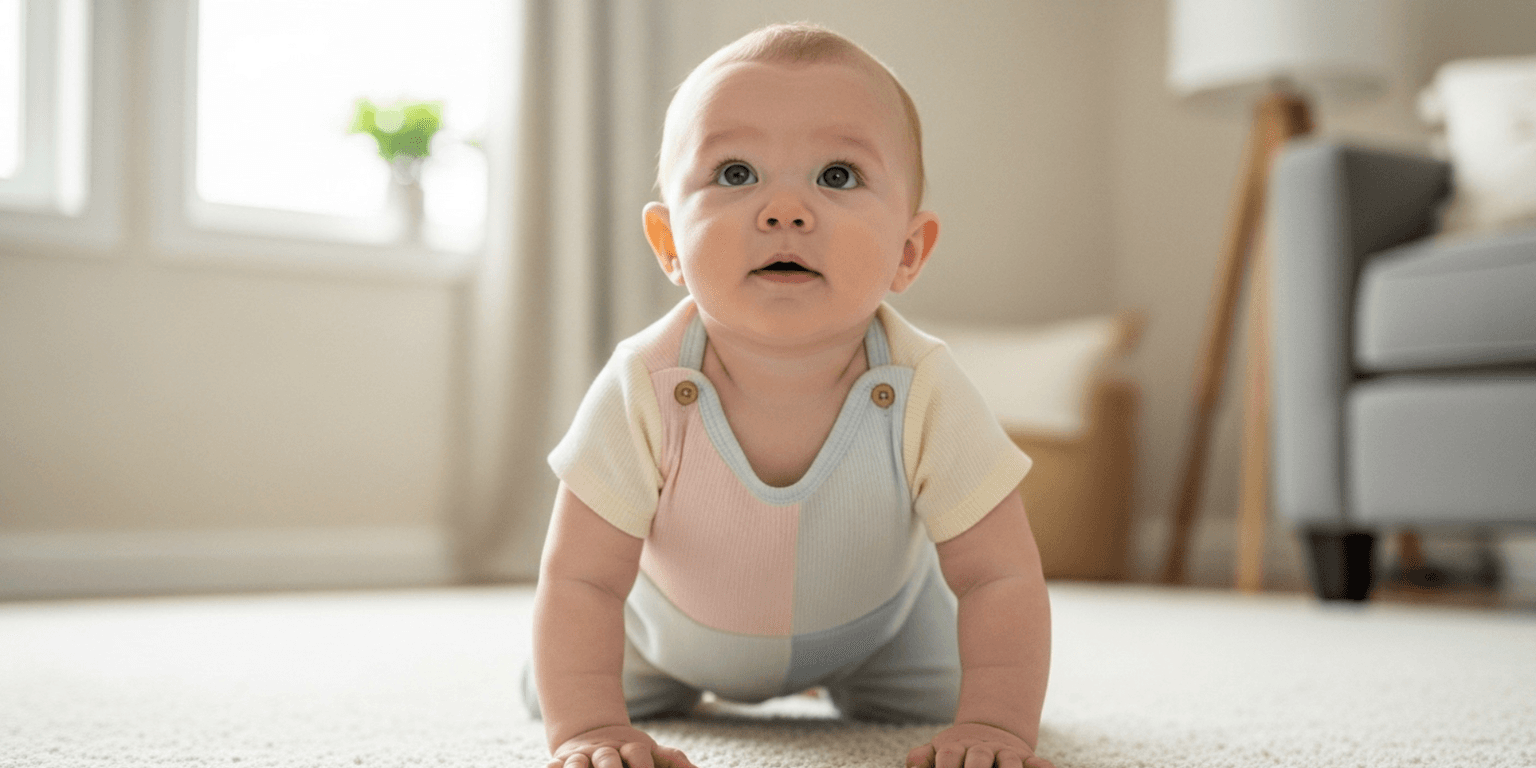
- Before a new baby starts crawling around the bedroom
- In a home where someone deals with allergies or asthma
- Between tenants in a rental, or between weekend guests at a lake house
- After a pet accident, once the odor treatment has done its work
- On mattresses and on furniture that gets heavy daily use
For a quiet guest room with no pets and nobody sick, it's an extra you can usually skip, and we won't sell it to you.
How it's applied
Your technician walks the house first and asks what's been going on. Who was sick? Where do the kids play? Which room bothers the allergy sufferer most? Those answers decide where the sanitizer goes.
The carpet or fabric gets cleaned first. Sanitizer works much better on a clean surface, because dirt and oil shield bacteria from it. Our cleaning uses no soap or detergent and no added fragrance, so nothing is left in the fiber to get in the way.
Then the EPA-registered sanitizer is misted on evenly so it reaches down into the pile. It goes after bacteria and fungi, viruses too, along with the microbes behind that stale, musty smell some rooms get. It's non-toxic and safe for kids and pets once it dries. Since very little moisture goes into the floor, the room is usable again quickly, usually within the hour.
Nylon and polyester carpet handle it with no trouble, and so do wool rugs and most upholstery fabrics. Anything unusual gets a test spot first.
Before finishing, the tech goes over the treated areas with you.
A rental turnover, for example
Say you own a small rental off Sunset Blvd and the last tenant had two cats and a toddler. The carpet looks tired, the back bedroom smells faintly sour, and the next family moves in Saturday. That's a textbook case. The rooms get cleaned, the cat spots get the enzyme pet treatment, and then the whole floor gets sanitized so the new tenants start with carpet that's clean in the ways you can't see. The same routine works between weekend guests at a lake place.
What sanitizer won't do is fix a moisture problem. If a room smells musty because a crawlspace is wet or a window leaks, the smell will return once the fiber picks up moisture again, and the leak needs a contractor first.
How long the effect holds up
The sanitizer kills what's in the fiber on the day it's applied. After that, new bacteria arrive the normal way, on shoes and paws and hands. In a busy house the benefit tapers off over a few months. In a quiet one it lasts longer. Families who like it tend to repeat it every six months, or each time they have the carpet cleaned.
It can help with allergies, too. Dust mites, and the bacteria that feed on skin flakes and dander, drop way down after a clean-and-sanitize, and people often notice the difference in the bedroom first. Pine pollen will still blow in every spring regardless, so a regular schedule does more than one big treatment.
To add sanitizer to a carpet cleaning or an upholstery job, call 803-310-5135 or ask through the contact page.