
Menu
Same-Day Service Available!
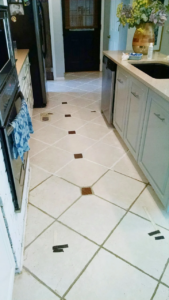
Tile floors are popular for good reason. They are durable, easy to maintain, and work well in kitchens, bathrooms, entryways, laundry rooms, and other busy areas of the home. However, even durable tile can begin to look dull over time. Grout lines may darken, the tile surface can lose its shine, and regular mopping may stop delivering the clean look you expect.
For many homeowners, this change happens slowly. The floor may still feel clean underfoot, but the overall appearance starts to look tired. In some areas, the grout may become noticeably darker than it used to be. In others, the tile itself may develop a light film or haze. These changes are often caused by a combination of dirt, cleaning residue, moisture, grease, foot traffic, and everyday household activity.
The good news is that dull-looking tile does not always mean the floor is permanently damaged. In many cases, proper tile and grout cleaning can help remove the buildup that regular mopping leaves behind. A better cleaning routine can also make it easier to keep floors looking fresh between deeper cleanings.
For families in Lexington, South Carolina, tile often takes on a lot of daily use. Outdoor dirt gets tracked in, kitchens collect food residue, bathrooms deal with moisture, and pets add their own messes. Safe-Dry® helps homeowners care for these high-use surfaces with professional cleaning solutions designed around cleaner, healthier homes.
Tile floors usually do not become dull because of one single problem. Most of the time, several types of buildup collect gradually. Fine dust settles across the surface, outdoor dirt gets carried in on shoes, cooking residue reaches the kitchen floor, and cleaning products may leave small amounts of film behind after mopping.
Grout lines tend to show these problems first because they sit lower than the tile surface. Dirt and moisture can settle into the lines and become harder to remove with a standard mop. Even when the tile looks fairly clean, darker grout can make the entire floor look older or less fresh.
Another common issue is residue from household cleaners. Using too much product may seem like a good way to get a deeper clean, but extra solution can dry on the floor and leave behind a dull or sticky layer. Once that happens, new dirt can cling to the residue more easily, which makes the floor look dirty again soon after cleaning.
This is why effective tile and grout cleaning should focus on removing buildup rather than simply adding more product. A cleaner floor often comes from using the right amount of solution, better rinsing, and deeper cleaning when routine care no longer works.
Mopping is useful for everyday maintenance, especially when you are dealing with fresh spills, loose soil, or light surface dirt. However, a mop cannot always reach everything that settles into grout lines or textured tile.
As mop water becomes dirty, the cleaning process can become less effective. If the same water is used across the entire room, some of the soil being picked up may be spread back onto the floor. This can leave streaks, haze, or dull-looking areas once the floor dries.
Dirty mop pads can cause the same problem. A pad that is heavily soiled may move grime from one section of the floor to another instead of removing it completely. Changing the water and using clean mop pads helps reduce this issue.
Regular mopping also does not always remove old grease, residue, or deeply embedded grout soil. Once these materials have built up over time, professional tile and grout cleaning may be needed to restore a cleaner, more even appearance.
Grout is one of the biggest reasons tile floors begin to look worn. While the tile surface may be smooth and easy to wipe, grout is often more textured and slightly recessed. This makes it easier for dirt to settle into the lines.
In kitchens, grout may collect small amounts of grease, food residue, and crumbs. In bathrooms, moisture, soap residue, and personal care products can build up along grout lines. Entryways can collect outdoor dirt, fine grit, and dust that gets tracked in from outside.
Over time, this buildup can change the color of the grout. Light grout may begin to look gray or brown, while darker grout may appear uneven or patchy. Once the lines become noticeably darker, the entire floor can look less clean.
A standard mop usually moves across the tile surface without reaching deeply into the grout lines. This is why homeowners may mop repeatedly and still feel like the floor looks dirty. Professional tile and grout cleaning can help address the areas that routine mopping often misses.
Cleaning products are meant to remove dirt, but using too much of them can create a different kind of problem. When excess cleaner dries on tile, a small amount of residue may remain behind. This can create streaks, haze, or a sticky feeling underfoot.
Sticky residue is especially frustrating because it attracts new dirt. Dust and soil can cling to the floor more easily, causing it to look dirty again soon after cleaning. Homeowners may respond by adding even more cleaner, which creates another layer of buildup.
This cycle can continue until the floor develops a cloudy or dull appearance that ordinary mopping cannot fix. In these situations, the problem is not always a lack of cleaning. It may actually be too much cleaning product.
Following the manufacturer’s dilution instructions is important. Using the correct amount of solution makes it easier to rinse the floor properly and reduces the chance of residue staying behind.
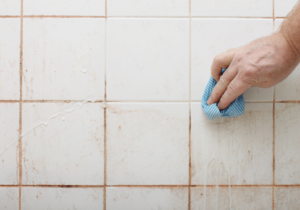
Kitchen tile faces a unique type of buildup. Cooking can release small amounts of grease into the air, and this residue may settle onto nearby floors. Food crumbs, drink spills, cooking oils, and moisture around the sink can add to the problem.
The buildup may be especially noticeable near the stove, refrigerator, trash can, and dining area. These high-use sections can become sticky or dull even when the rest of the floor still looks clean.
Grease can also settle into grout lines, where it mixes with dust and other soil. Once this happens, ordinary mopping may not fully remove the residue. In fact, using too much general-purpose cleaner may leave another layer of film behind.
A better routine starts with removing loose dirt before mopping and addressing spills as soon as they happen. When older grease and buildup remain, deeper tile and grout cleaning may help restore a cleaner look.
Bathroom tile deals with moisture more often than most other flooring. Water from showers, tubs, and sinks can reach the floor daily. Soap residue, personal care products, and mineral deposits may also contribute to a cloudy appearance.
As water dries, some residue can remain behind. Over time, this may create a hazy layer on the tile. Grout lines may also darken because moisture helps soil stick to the surface more easily.
Ventilation can help reduce excess moisture, especially after showers. Running an exhaust fan and allowing the room to dry can make routine maintenance easier. Wiping up standing water also helps reduce buildup around tubs, toilets, and sinks.
When bathroom grout stays dark even after regular cleaning, it may be time for professional tile and grout cleaning. A deeper cleaning can address soil that ordinary mopping has not removed.
Entryways are one of the busiest parts of many homes. Every person who walks through the door can bring in dust, dirt, grass particles, and small pieces of grit on their shoes.
Pets can add even more debris after spending time outside. Even when paws or shoes do not look visibly dirty, fine particles can still be carried into the home.
These particles often settle into grout lines first. If the floor is mopped before the loose debris is removed, some of it may get pushed deeper into the grout.
Sweeping or vacuuming before mopping is especially important in entryways. Using mats near exterior doors can also help reduce the amount of soil that reaches the tile in the first place.
For Lexington families who spend a lot of time outdoors, this small habit can make a noticeable difference in how quickly the floor becomes dirty.
A good home cleaning routine does not need to be complicated. In fact, simple and consistent care often works better than aggressive scrubbing or using multiple products.
Start by sweeping or vacuuming the floor thoroughly. Pay attention to corners, edges, and areas around cabinets or furniture where debris tends to collect.
Removing loose soil before adding water helps keep it from turning into dirty mop water. It also reduces the amount of grit that can get pushed into the grout lines.
Different tile materials require different care. Ceramic and porcelain can usually handle many standard tile cleaners, while natural stone may need products designed specifically for that surface.
Before using a new cleaner, check the flooring manufacturer’s instructions. If you are unsure what type of tile you have, use a cautious approach and avoid aggressive chemicals.
Follow the product directions carefully. More cleaner does not automatically mean better results.
If a concentrated solution needs to be diluted, measure it properly. Using too much can leave residue that makes the floor look dull after drying.
Instead of soaking the entire room at once, clean one section at a time. This gives you more control and helps prevent cleaning solution from drying on the surface before it can be removed.
Working in sections also makes it easier to focus on grout lines and other areas with visible buildup.
Once the mop water becomes cloudy or dark, replace it. Continuing to mop with dirty water can spread soil across the floor.
This is one of the easiest ways to improve routine cleaning results.
Some cleaning products require a rinse. If the manufacturer recommends it, go over the floor with clean water after mopping.
This helps reduce residue and streaking. Avoid leaving puddles behind, especially around grout lines or where tile meets another flooring material.
Allow the floor to dry before placing rugs back down or allowing heavy traffic. Once dry, look at the surface from different angles.
If the floor still appears hazy, streaky, or sticky, there may be residue that normal cleaning is not removing.
Dark grout can make homeowners want to scrub as hard as possible. However, aggressive scrubbing is not always the best solution.
Very stiff brushes and abrasive tools can wear down the grout surface. Over time, damaged grout may become rougher and more difficult to keep clean because dirt can settle into the uneven areas.
Metal tools and sharp scrapers should also be avoided. These can damage both the grout and the surrounding tile.
A better approach is to use a cleaning method designed to loosen soil without wearing away the material itself. If repeated cleaning does not improve the grout color, the discoloration may be deeper than ordinary surface dirt.
Professional tile and grout cleaning can help determine whether the issue is buildup, staining, or actual grout wear.
Combining household cleaning chemicals can create unnecessary risks. Different products may contain ingredients that react with one another, and some combinations can create harmful fumes.
Bleach should never be mixed with ammonia or acidic cleaners. Other products can also cause reactions that damage flooring or make the indoor environment uncomfortable.
The safest approach is to use one appropriate product at a time and follow the label carefully.
The U.S. Environmental Protection Agency provides helpful information on choosing safer household cleaning products through its Safer Choice program.
Using a simple cleaning routine is usually easier to control and less likely to create residue or other problems.
Pet accidents are usually easier to see on tile than on carpet, but they can still create problems when liquid reaches the grout lines.
If an accident is left too long, moisture and odor may settle into the grout. Cleaning it quickly helps reduce the chance of staining or lingering smell.
Start by removing as much liquid as possible. Then clean the area with a product that is appropriate for the flooring.
Avoid assuming that a pet odor eliminator made for carpet is safe for tile or grout. Always check the label first.
Homes with both carpet and tile may need different services in different areas. Pet urine removal, cat urine removal, dog urine removal, pet odor removal, pet stain removal, and pet urine carpet cleaning require methods designed for the affected surface.
If you are trying to remove pet smell from carpet or tile, treating the actual source is more effective than simply covering the odor with fragrance.
Corners and edges can become noticeably darker because standard mops do not always reach them well. Dust, grease, and cleaning residue may collect along baseboards, cabinet edges, and behind furniture.
Over time, this creates a visible border around the room.
Using a small cleaning cloth or an appropriate soft brush can help reach these areas during routine maintenance. Vacuuming along edges before mopping is also helpful because it removes loose debris before moisture is introduced.
Professional deep cleaning services may also focus on these areas when normal household care is no longer producing an even result.
If the floor seems dirty again shortly after mopping, the problem may not be new soil. Cleaning residue can create a sticky surface that attracts dust almost immediately.
Grease can cause a similar problem in kitchens.
Another possibility is that nearby mats, rugs, or carpet are holding large amounts of dirt. Every time someone walks across those surfaces, some of the soil can be transferred onto the tile.
Cleaning entrance mats and area rugs regularly can help. Area rug cleaning may also be useful when rugs have collected heavy soil or odors.
If carpeted rooms connect directly to tile, professional carpet cleaning can reduce the amount of loose dirt moving between surfaces.
A whole-home cleaning approach often makes it easier to maintain each individual floor.
Area rugs can protect tile from some foot traffic, but they also hide debris. Dust and grit often collect underneath them, especially if they remain in the same place for long periods.
When the rug shifts, trapped particles can spread across the surrounding floor.
Vacuum beneath rugs regularly and rotate them when appropriate. If the rug itself becomes heavily soiled, professional rug cleaning may be helpful.
Some rugs require specialized care. Oriental rug cleaning may be appropriate for delicate or valuable pieces, while standard area rug cleaning may work for many everyday household rugs.
Keeping the rug clean helps reduce the amount of dirt that returns to the tile.
Upholstered furniture can also affect how much dust settles onto the floor. Sofas, dining chairs, and other fabric-covered pieces hold dust, crumbs, pet hair, and other debris.
As people use the furniture, some of this material may fall onto nearby tile.
Routine upholstery cleaning can help reduce the amount of buildup moving through the room.
This does not mean upholstery needs to be cleaned every time the floor is mopped. However, heavily soiled furniture can contribute to recurring dust and odors.
Safe-Dry® offers cleaning services for multiple surfaces, which can help homeowners manage carpet, rugs, upholstery, and hard flooring as part of a more complete home cleaning plan.
There is no single schedule that works for every home.
A busy kitchen may need sweeping several times a week and regular mopping. Bathrooms may require extra attention because of moisture. Entryways can become dirty quickly during rainy weather or periods of heavy outdoor activity.
Homes with children, pets, and frequent visitors may also need deeper cleaning more often.
Instead of focusing only on the calendar, pay attention to how the floor looks and feels. Dark grout lines, cloudy tile, sticky areas, and buildup that returns quickly are signs that routine maintenance may no longer be enough.
Professional tile and grout cleaning can help when the floor stops responding well to ordinary home care.
A basic weekly routine can keep tile looking better between deeper cleanings.
Start by removing loose dirt from the busiest areas. Kitchens, bathrooms, and entryways usually need the most attention.
Clean fresh spills as soon as possible instead of waiting for your regular cleaning day. This makes stains and sticky residue easier to manage.
Later in the week, mop using the correct amount of cleaning solution. Change the water when it becomes dirty and pay attention to grout lines, corners, and edges.
At the end of the week, check mats and rugs for trapped debris. Vacuum underneath them so hidden dirt does not collect on the tile.
Once a month, inspect the grout more closely. If the lines continue darkening despite regular care, it may be time for a deeper cleaning service.
Home cleaning is excellent for routine maintenance, but there is a point where a mop and household products may no longer be enough.
If grout remains dark after repeated cleaning, the soil may be embedded more deeply. If tile stays cloudy even after rinsing, product residue may have accumulated. Sticky areas can indicate grease or excessive cleaning solution.
Recurring odors can also mean contamination remains in grout or nearby surfaces.
At this stage, continuing to add stronger products may make the problem more difficult to solve.
Professional tile and grout cleaning allows a technician to evaluate the floor and choose a method based on its condition. This can help restore a cleaner appearance without requiring constant aggressive scrubbing.
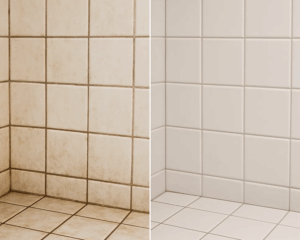
Professional cleaning goes beyond ordinary surface maintenance. It can focus on grout lines, textured tile, traffic areas, and sections where buildup has become difficult to remove.
The goal is to lift soil that routine mopping leaves behind and create a more even appearance across the floor.
Professional service can also help identify whether the problem is dirt, grease, cleaning residue, or staining.
This matters because different problems require different solutions. Adding more household cleaner to a residue problem may only make the floor look worse.
For homeowners in Lexington, tile and grout cleaning can be especially useful in kitchens, bathrooms, entryways, laundry rooms, and other active spaces.
Floors cover a large part of any room, so their appearance can affect how the entire space feels.
When grout lines are dark and the tile looks hazy, the room may feel older or less fresh even when everything else is tidy.
Once the buildup is removed, the difference can be noticeable. Cleaner grout creates clearer lines between tiles, and removing surface residue can help the floor look brighter.
This is one reason professional deep cleaning services can make such a big visual improvement without changing the furniture or décor.
Most homes contain several different surfaces, and each one collects soil differently.
Tile may cover the kitchen and bathrooms, while bedrooms contain carpet. Area rugs may sit in the living room, and upholstered furniture adds another layer of soft surfaces.
Professional carpet cleaning is designed for carpet fibers and embedded soil. Carpet stain removal and carpet odor removal focus on specific problems. Pet stain and odor removal may be needed after accidents, while rug cleaning and upholstery cleaning address other areas of the home.
Tile and grout cleaning completes the process by addressing hard flooring.
When several surfaces are heavily soiled, cleaning them as part of a coordinated plan can help the entire home feel cleaner and fresher.
Carpet and tile may seem unrelated, but dirt moves easily from one surface to another.
Carpet collects dust, grit, hair, and other debris. As people walk through the house, some of that soil can be carried into tiled areas.
Professional carpet cleaning can reduce this buildup before it spreads.
Homeowners searching for carpet cleaning near you, carpet cleaners near you, or a carpet cleaner near you may benefit from thinking about how their flooring connects from room to room.
Lexington carpet cleaning can be especially useful when carpeted bedrooms or living spaces open directly into tile-covered hallways or kitchens.
Safe-Dry® also provides carpet cleaning services for families who need help with several surfaces in the same home.
Many households deal with more than one cleaning concern at the same time.
You may need tile and grout cleaning in the kitchen while also dealing with a pet accident in the living room.
Pet accident cleaning may include pet stain removal, urine odor removal, and odor elimination. A stain removal service may also help with food, drink, or other carpet spots.
Professional carpet cleaning can address general soil, while targeted services may be needed for tougher stains or odors.
Carpet deodorizing may also help refresh rooms where odors remain after normal vacuuming.
If you are trying to remove pet smell from carpet, it is important to address the source instead of relying only on fragrance.
Each material in the home needs the right cleaning approach. Tile, grout, carpet, rugs, and upholstery should not all be treated the same way.
Professional cleaning costs can vary depending on the size of the area, the condition of the surface, and the type of service required.
The same applies to carpet cleaning prices and carpet cleaning cost. A routine cleaning is different from a home that needs heavy stain treatment, pet urine removal, or multiple rooms cleaned.
Homeowners may also look for carpet cleaning deals, carpet cleaning specials, or carpet cleaning coupons. These offers can be helpful, but it is important to understand what is included.
Cheap carpet cleaning does not always provide the best overall value if important services are left out or added later.
Affordable carpet cleaning should still include a clear explanation of the service and an appropriate cleaning method.
A carpet cleaning estimate or free carpet cleaning quote can help homeowners understand what their specific situation may require.
For tile and grout cleaning, requesting a quote based on the actual condition of the floor is usually more helpful than relying on a generic price.
Some cleaning problems happen without warning.
A pet may have an accident before guests arrive. A drink may spill across both carpet and tile. A plumbing issue may leave part of the floor unexpectedly wet.
In these situations, homeowners sometimes search for same day carpet cleaning or emergency carpet cleaning.
Availability may vary, but calling early gives the cleaning company more information about the problem.
For tile spills, remove excess liquid quickly and avoid combining several cleaners. For carpet, blot moisture instead of scrubbing.
Simple damage control can help prevent the mess from spreading while you arrange the right professional service.
Grout can hold dirt below the level that a standard mop reaches. Grease, soil, moisture, and cleaning residue can all become trapped in the lines over time.
Yes. Excess cleaning solution can dry on the floor and leave behind haze, streaks, or sticky residue that attracts more dirt.
The right schedule depends on traffic and the room. Kitchens, bathrooms, and entryways may need more frequent cleaning than lower-use areas.
Cloudiness can come from cleaning residue, mineral deposits, grease, or other surface film. Adding more cleaner may make the problem worse.
Use a brush appropriate for the surface. Extremely abrasive brushes can wear down the grout over time.
Professional cleaning can improve grout that is dark because of soil and buildup, but it cannot repair grout that is cracked, missing, or physically damaged.
Yes. Liquid can move into grout lines when it is not cleaned quickly. Prompt cleanup can help reduce odor and staining.
Grease and excess cleaning product can both leave a sticky layer. Once this buildup develops, normal mopping may not remove it completely.
The best order depends on the layout and the services being performed. Ask the cleaning company which sequence makes the most sense for your home.
Safe-Dry® offers several professional cleaning services in many areas, including carpet cleaning, upholstery cleaning, rug cleaning, and hard surface care. Service availability may vary by location.
Consider professional cleaning when grout remains dark, tile looks dull after mopping, sticky residue keeps returning, or your usual routine no longer produces the results you want.
Tile floors are built to handle everyday life, but they still need the right care to stay looking their best. Dirt, grease, moisture, cleaning residue, and foot traffic can gradually change both the tile surface and the grout lines. While regular mopping helps with day-to-day maintenance, it may not be enough to remove the deeper buildup that collects over time.
A better routine starts with simple habits. Remove loose dirt before mopping, use the right amount of cleaning solution, change dirty water, clean spills quickly, and pay attention to grout lines, corners, and edges. Keeping nearby rugs, carpet, and upholstery cleaner can also reduce the amount of soil that moves back onto the tile.
When your floors still look dull after careful home cleaning, professional tile and grout cleaning can provide a deeper reset. Safe-Dry® helps families in Lexington, South Carolina care for the surfaces throughout their homes with cleaning solutions focused on a cleaner, fresher living environment.
If your grout has become darker, your tile looks cloudy, or your floor no longer feels clean after mopping, connect with Safe-Dry® to request a quote and learn more about professional tile and grout cleaning in Lexington.
A cleaner floor can brighten the entire room, and the right cleaning routine can help keep it looking better long after the service is complete.


