You cleaned it. You blotted, sprayed, scrubbed, and sprayed again, and for a week the room smelled fine. Then a thunderstorm rolled through on a sticky August afternoon, you came home from work, and the smell was waiting for you at the front door.
That pattern is so common in Lexington homes that we can usually guess the story before the owner finishes telling it. The smell had been down there the whole time, waiting on the weather. Below is what's going on underneath, and what you can do about it on your own.
The spot you cleaned was the small part
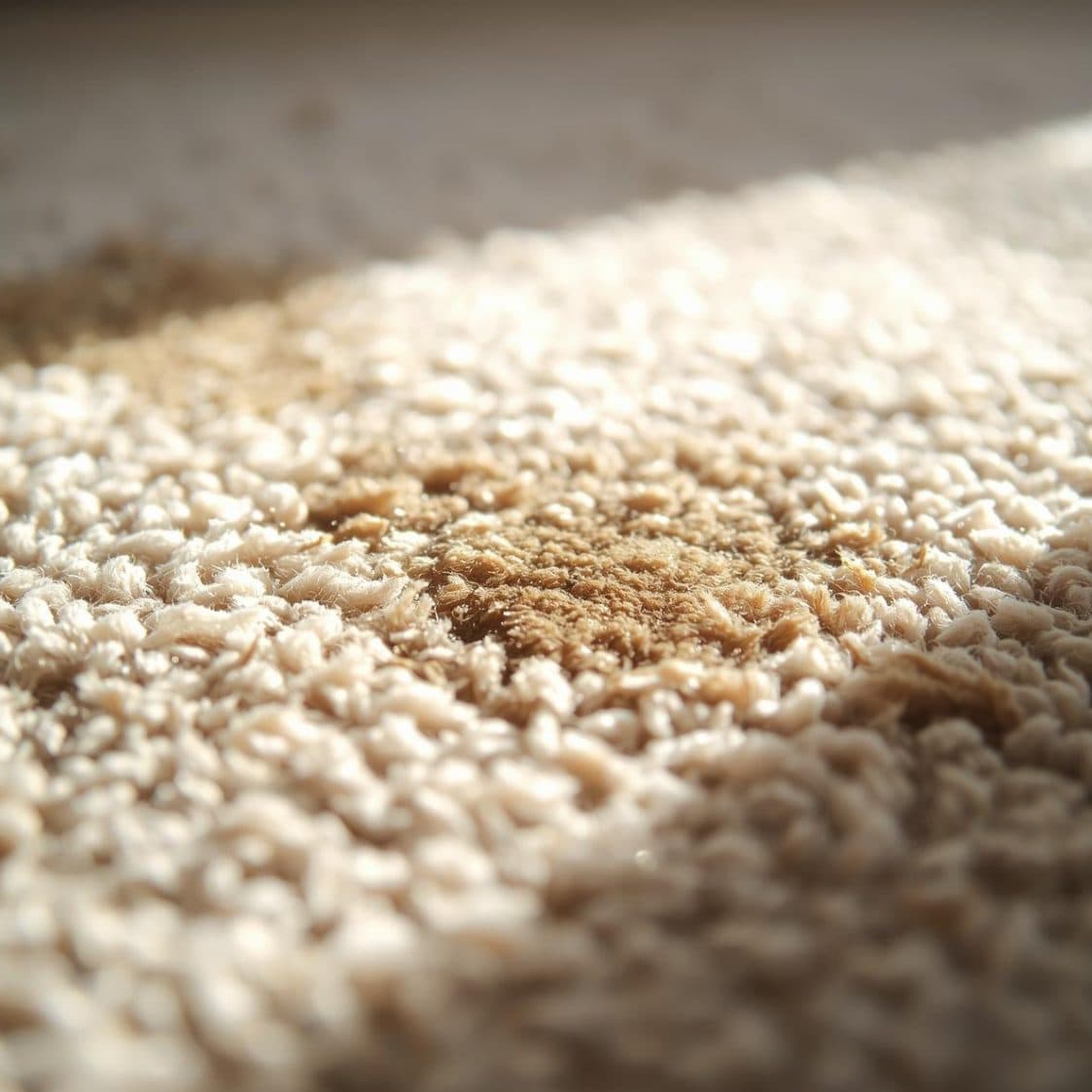
When a dog or cat has an accident on carpet, the visible wet spot is the top of the problem. Urine soaks straight down through the fibers and the backing and spreads out in the pad, often into a patch noticeably wider than what shows on the surface. With a big dog, or a spot that's been used more than once, it can reach the subfloor.
Surface cleaning gets the top. The pad stays loaded.
Humidity wakes it up
As urine dries, it leaves behind crystals of uric acid salts. Dry, they barely smell. Add moisture and they release odor again. That's why the smell tracks the weather. A dry, cool week in January and you'd never know. A rainy week in July, or a day when the AC can't keep up, and the whole room smells like the accident happened this morning.
It's also why people swear that cleaning made it worse. They added water, the water reached the crystals, and the crystals did what they do.
Cats deserve their own note. Cat urine is more concentrated than dog urine, so a small cat spot can smell as strong as a big dog accident, and it's harder to neutralize at home. Cats also tend to go back to the same quiet corner, so one spot can turn into many layers before anyone notices. If you have a cat and a smell you can't place, check corners, the edges of rooms, and the floor behind doors first.
Bacteria make it stronger
Urine is food for bacteria. In a warm, damp pad they multiply and break the urine down, and one of the things they release is ammonia. That sharp, eye-watering smell from an old spot is mostly bacterial, and it gets worse the longer the spot sits. Repeat accidents in the same place stack layers of this, and pets are drawn back to spots they can smell, even when you can't.
Home fixes that backfire
We see these every week:
- Fragrance sprays and carpet powders. They cover the smell for a day or two. Nothing underneath changes, and some powders cake down into the backing.
- Steam cleaners and rentals. The heat and water reach the crystals and the bacteria, the smell blooms, and the extra water spreads the urine wider through the pad.
- Soaking the spot with water or vinegar. Same problem on a smaller scale.
- Bleach. It won't fix urine odor, it can strip the color out of the carpet, and it reacts with the ammonia in cat urine to make fumes you don't want to breathe.
- Scrubbing hard. It roughs up the pile and spreads the urine.
What actually helps at home
None of this will pull old urine out of a pad. It will keep fresh accidents from becoming old ones and keep the house fresher overall.
Find every spot first. A cheap UV flashlight in a dark room will show dried urine as a dull glow. Mark the spots with painter's tape. Most people turn up at least one they didn't know about, often along walls or behind furniture.
On a fresh accident, get a wad of paper towels on it fast. Stand on it to press it down. Keep going with fresh towels until almost nothing comes up. Don't rub.
Then use a pet-urine enzyme cleaner, following the label. Enzymes eat the urine itself. Use enough to soak as far down as the urine went, cover it loosely so it stays damp while it works, and give it time. Let it air-dry completely with a fan on it.
Keep pets off treated spots until they're fully dry. If a dog has picked a favorite spot, put a piece of furniture over it for a few weeks.
Keep the air drier. Holding the house at 50 percent humidity or a bit under keeps old crystals quieter. A dehumidifier in the room with the problem spots makes a noticeable difference in summer.
Wash pet bedding and throw blankets every week or two in hot water, and dry them completely. Scoop litter boxes daily. These don't fix the carpet, but they cut down on the background odor that makes every old spot smell stronger.
When the routine isn't enough
If a spot still smells after you've used an enzyme cleaner properly, the urine is deeper than a bottle can reach, and no amount of retreating from the top will change that. If the smell is general across a room and not tied to one spot, there are probably more spots than you've found.
That's when it's time for professional odor treatment, where the enzyme gets delivered to the pad on purpose and the carpet gets cleaned without flooding it. We explain how that works, step by step, in our post on pet odor and stain removal in Lexington.
Be honest with yourself about one thing. Carpet where years of accidents have soaked the pad may need the pad replaced under that section, and a technician who looks at it should tell you so. Most homes aren't there. Most have a handful of spots that a homeowner has been fighting from the top, and treating them from the bottom up is what finally ends the cycle. If that sounds like your living room, our odor and stain removal page has the details.